ORIGINAL STUDIES
BACKGROUND: SARS-CoV-2 pneumonia in patients with type 2 diabetes mellitus (T2DM) is linked to severe disease and high mortality. The role of alpha-1 protease inhibitor (α1-PI) in regulating proteolytic activity in this population during COVID-19 remains poorly understood.
AIM: To evaluate the activity of alpha-1 protease inhibitor (α1-PI), elastase-like proteases (ELP), and trypsin-like proteases (TLP) in the plasma of patients with type 2 diabetes mellitus (T2DM) infected with SARS-CoV-2, and to develop a prognostic model for the risk of respiratory failure (RF).
MATERIALS AND METHODS: A prospective observational study included 172 participants divided into four groups: SARS-CoV-2 pneumonia without T2DM (n=70), T2DM without infection (n=32), T2DM with pneumonia (n=15), and healthy controls (n=30). Plasma levels of α1-PI, elastase- and trypsin-like proteases (ELP, TLP), ACE, PAR-4, CRP, glucose, C-peptide, and TBARS were measured. Data were analyzed using non-parametric tests, Spearman’s correlation, and binary logistic regression.
RESULTS: In patients without T2DM and severe pneumonia, α1-PI activity was reduced by 21% (23.7 IU/mL [15.1; 33.2] vs. 30.0 in controls; p=0.008), with moderate increases in ELP and TLP. In contrast, T2DM patients with COVID-19 showed a 41% rise in α1-PI (42.4 IU/mL [31.8; 53.4]; p=0.023) alongside marked activation of TLP (10.9-fold; p<0.001), ELP (4.3-fold; p<0.001), ACE (2.7-fold), and PAR-4. PAR-4 declined with worsening respiratory failure (RF), especially in T2DM (0.8 ng/mL in RF grade III vs. 6.8 without RF; p=0.010). Logistic regression showed that lower α1-PI increased pneumonia risk in non-T2DM individuals (OR=0.092; 95% CI 1.011–1.056; p=0.003), while higher α1-PI raised risk in T2DM (OR=1.033; 95% CI 0.849–0.997; p=0.040). A prognostic RF model (AUC=0.88) included ELP, TLP, T2DM status, and infection severity; α1-PI was excluded (p>0.05).
CONCLUSION: In patients with type 2 diabetes mellitus (T2DM) and COVID-19, a more pronounced protease activation and a dual response of α1-protease inhibitor (α1-PI) are observed, indicating an ineffective anti-inflammatory response. Decreased PAR-4 levels correlate with the severity of respiratory failure (RF). The prognostic model enables risk stratification for RF in T2DM patients.
BACKGROUND: Diabetes mellitus (DM) is a clinically significant long-term complication of pancreatoduodenectomy (PD); however, its incidence, risk factors for its development, and its impact on oncological outcomes remain insufficiently studied.
AIM: To evaluate risk factors for diabetes mellitus in patients undergoing pancreatoduodenectomy and to determine its clinical significance.
MATERIALS AND METHODS: A two-center retrospective cohort study was conducted, including 544 patients who underwent PD between 2011 and 2024. Clinical, demographic, intraoperative, and morphological parameters were analyzed. Univariate and multivariate regression analyses were used to identify predictors of DM and to assess survival. The predictive performance of the model was evaluated using ROC analysis.
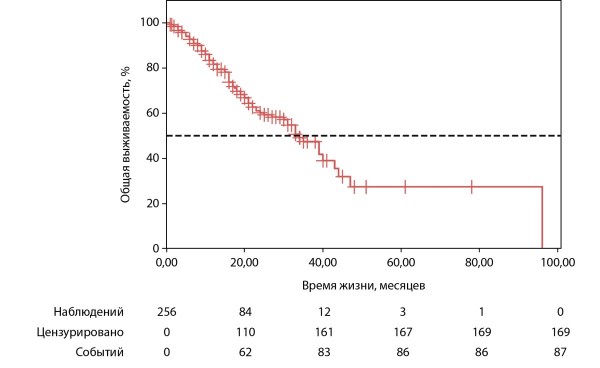
RESULTS: The overall incidence of DM among patients without pre-existing diabetes mellitus was 15.3% (83/544). Independent predictors for the development of DM were: age 67 years and older (OR 1.069; 95% CI: 1.029–1.110; p=0.001), stable angina pectoris (OR 2.554; 95% CI: 1.172–5.562; p=0.018), diameter of the Wirsung duct (≥0.5 cm) (OR 5.84; 95% CI: 1.399–24.45; p=0.016), complications of Clavien–Dindo grade ≥ IIIA (OR 8.9; 95% CI: 3.9–20.3; p<0.001), acute stump pancreatitis (OR 13.03; 95% CI: 1.3–121.8; p=0.024), and neoadjuvant chemotherapy (OR 2.695; 95% CI: 1.317–5.518; p=0.007). The prognostic model demonstrated high discriminatory ability (AUC = 0.833). In the subgroup of patients operated on for pancreatic ductal adenocarcinoma of the head of the pancreas, early DM, developed within the first 90 days after surgery, was an independent factor for worse overall survival (HR 3.419; 95% CI: 1.307–8.939; p=0.012), while late DM did not affect long-term prognosis.
CONCLUSION: Diabetes mellitus following pancreatoduodenectomy for pancreatic head and periampullary cancers is a relatively uncommon (15.3%) but clinically significant complication. Preoperative assessment of the risk for this complication and careful postoperative metabolic monitoring are necessary.
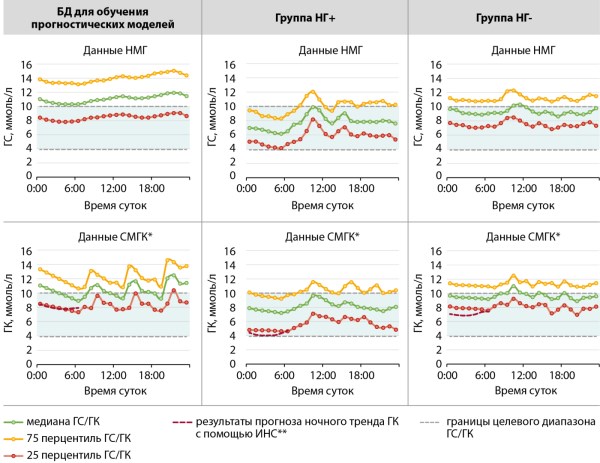
BACKGROUND: Nocturnal hypoglycemia (NH) remains a life-threatening condition in type 1 diabetes mellitus (T1DM), despite the widespread implementation of continuous glucose monitoring (CGM) in clinical practice. Conventional self-monitoring of blood glucose (SMBG) is significantly inferior to CGM in detecting and predicting NH. Improvement of SMBG using mobile health technologies and prediction models based on artificial neural networks (ANNs) presents a potential solution where CGM availability is limited.
AIM: To develop and validate predictive models for the identification of recurrent NH in patients with T1DM based on daytime glucose meter measurements using ANNs.
MATERIALS AND METHODS: A single-center prospective observational study of patients with T1DM was conducted using parallel daytime SMBG and CGM. Recurrent nocturnal hypoglycemia was defined as the presence of NH on at least 2 nights according to CGM data during a 7-day observation period. Three models for predicting recurrent NH were developed based on SMBG data: ANN-1 model (based on daytime SMBG data), ANN-2 model (based on daytime SMBG data and additional prediction of nocturnal glycemia), and logistic regression model (LR model). The models were trained using a database of 568 previously examined T1DM patients. The performance of the predictive models was evaluated using ROC analysis and area under the curve (AUC).
RESULTS: 116 T1DM patients were included in the final analysis (external validation group). Of these, 31 patients (26.7%) had recurrent NH. The internal validation group included 114 patients from the training database. AUC values during internal validation were: ANN-1 model — 0.855 (95% CI 0.777–0.933; p<0.001), ANN-2 model — 0.812 (95% CI 0.707–0.916; p<0.001), LR model — 0.790 (95% CI 0.684–0.896; p<0.001). During external validation, AUC values were: ANN-1 model — 0.843 (95% CI 0.761–0.924; p<0.001), ANN-2 model — 0.907 (95% CI 0.843–0.971; p<0.001), LR model — 0.838 (95% CI 0.759–0.916; p<0.001). The ANN-1 model had the highest AUC in internal validation, whereas the ANN-2 model had the highest AUC in external validation.
CONCLUSION: The application of ANN-based NH prediction models and the expansion of databases for their training may represent a promising approach to improving SMBG in T1DM.
AIM. To evaluate the effectiveness of continuous glucose monitoring (CGM) systems with data transmission in children with type 1 diabetes and to assess their impact on key glycemic control parameters.
MATERIALS AND METHODS. This study included glucose datasets obtained from CGM systems with data transmission in children aged 4–17 years with type 1 diabetes who were connected to a physician’s professional cloud account between September 2021 and November 2024. The effectiveness of CGM use was assessed 1, 2, and 3 years after the initiation of CGM provision. The following parameters were analyzed: sensor activity during the preceding 2 weeks, time in range (TIR) ≥70%, and TIR <50%. Effective CGM use was defined as sensor activity ≥60%.
RESULTS. Among all children with type 1 diabetes, the number of patients provided with CGM systems and connected to the professional cloud account was 716/1713 (41.8%) in year 1, 1339/1838 (72.9%) in year 2, and 1264/1949 (64.9%) in year 3. The proportion of children who used CGM inadequately (sensor activity <60%) did not change significantly over the 3-year period of remote follow-up and was 27.2%, 28.0%, and 26.7%, respectively (p=0.684). Among active CGM users (sensor activity ≥60%), the proportion of children with TIR ≥70% increased significantly by the end of year 3 compared with year 2 and reached 33.1%. The proportion of patients with TIR <50% increased significantly from 27.1% to 38.1% by year 2, then decreased significantly, but remained relatively high by the end of year 3 (30.9%).
CONCLUSION. Three-year remote follow-up of children with type 1 diabetes provided with CGM systems demonstrated inadequate CGM use in more than one quarter of patients regardless of age. This limited adequate interpretation of glycemic data by the treating physician and adjustment of insulin therapy and may have adversely affected glycemic control in the overall pediatric population with type 1 diabetes. Despite a significant increase in the proportion of active CGM users with TIR ≥70% by the end of year 3, a substantial proportion of children remained at risk of diabetes decompensation (30.9%).
BACKGROUND: Bariatric surgery is a highly effective method of type 2 diabetes (T2D) treatment in patients with morbid obesity, but surgical outcomes are variable: some patients do not achieve remission of T2D, others may have insufficient weight loss or subsequent weight regain. Existing models for predicting diabetes remission are not without limitations due to sample heterogeneity, differences in types of surgical interventions, and cohort sizes. Therefore, new prognostic models are needed.
AIM: To determine predictors of T2D remission in patients with morbid obesity within a year after Mini-Gastric Bypass (MGB) or Single Anastomosis Sleeve Ileal Bypass (SASI).
MATERIALS AND METHODS: A single-center retrospective study included 112 patients with T2D and morbid obesity who underwent either MGB (n=86) or SASI (n=26). The status of T2D remission was assessed for 12 months after surgery. Covariate-adjusted logistic regression, Cox regression analysis, and ROC analysis were used to analyze remission predictors.
RESULTS: Remission of T2D within one year after surgery was achieved in 83 (74%) patients. No insulin therapy before surgery (OR=6.27, p<0.001), glycated hemoglobin (HbA1c, OR=0.5, p<0.001), fasting and 2-hour post-breakfast C-peptide (OR=1.52, p=0.023 and OR=1.21, p=0.041, respectively), and estimated glucose disposal rate (eGDR, OR=1.83, p=0.001) were predictors of remission in logistic regression analysis after adjustment for age, sex, body mass index, and type of operation. In Cox regression analysis, these factors, as well as diabetes duration and C-reactive protein (CRP) level, predicted faster onset of remission within the first year after surgery. The ROC analysis identified the following cut-off points of predictors: diabetes duration <7 years (p=0.021); HbA1c<7.5% (p<0.001); fasting C-peptide >4 ng/mL (p=0.003); postprandial C-peptide >6.5 ng/mL (p<0.001); eGDR >1.4 mg/kg/min (p=0.043); CRP >6.4 mg/L (p=0.045). A prognostic model based on the identified predictors was developed (AUC=0.92 [95% CI 0.82–0.99], overall accuracy=83% [95% CI 64–94%]).
CONCLUSION: Achieving remission of T2D within one year after bariatric surgery (MGB, SASI) is associated with a shorter duration of T2D, absence of insulin therapy before surgery, lower preoperative HbA1c levels, higher fasting and postprandial C-peptide levels, as well as higher preoperative insulin sensitivity (eGDR) and CRP levels.
Carbohydrate metabolism is a crucial factor in understanding the pathophysiology of diabetes. Variations in detoxification capacity among metabolic phenotypes, such as rapid, moderate, and slow metabolizers, may influence the progression of alloxan-induced diabetes and the associated glucose homeostasis, insulin secretion, and C-peptide levels.
PURPOSE OF THE STUDY. This study aimed to evaluate features of carbohydrate metabolism during alloxan-induced diabetes in rats classified as rapid, moderate, and slow metabolizers.
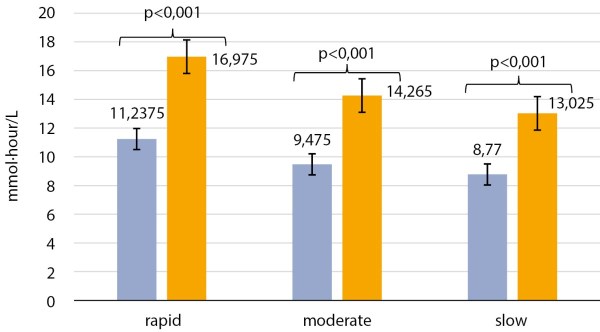
MATERIALS AND METHODS. The study included intact rats classified by metabolic phenotype according to hepatic detoxification activity. Alloxan was administered to induce diabetes, and blood glucose, insulin, and C-peptide concentrations were measured on days 7, 14, and 21. Values obtained before alloxan administration served as baseline. Glucose tolerance tests (GTTs) and area-under-the-curve (AUC) analyses were performed to assess glucose dynamics.
RESULTS. By day 7 of the experiment, blood glucose levels increased by 149.7%, 120.5%, and 122.9% in rapid, moderate, and slow metabolizers, respectively, compared with baseline values. On day 14, these increases reached 186.8%, 149.3%, and 140.7%, whereas by day 21 they were 270.5%, 188.0%, and 176.2%, respectively. Rapid metabolizers exhibited the highest glucose levels and the largest decreases in insulin and C-peptide concentrations during the study. GTT results showed impaired glucose tolerance in all metabolic phenotypes by day 21, with rapid metabolizers showing the largest increase in AUC.
CONCLUSION. This study identified significant differences in carbohydrate metabolism among metabolic phenotypes under conditions of alloxan-induced diabetes. Rapid metabolizers showed more pronounced hyperglycemia and lower insulin secretion than moderate and slow metabolizers. The findings support further investigation of individual metabolic characteristics when developing phenotype-specific strategies for diabetes management.
BACKGROUND: Cardiovascular disease (CVD) remains a leading cause of morbidity and mortality among patients with diabetes. This study aimed to assess the pattern of CVD risk factors and the prevalence of CVD among patients with type 2 diabetes mellitus (T2DM) on Delma Island, United Arab Emirates.
METHODS: This cross-sectional study was conducted at Delma Hospital from January 2024 to January 2025. Data were collected from all patients with T2DM who attended the internal medicine clinic. Adults (≥18 years) with confirmed T2DM and complete medical records were included. Exclusion criteria were type 1 diabetes, pregnancy, and incomplete medical records. The collected data included demographics, blood pressure, lipid profile, glycated hemoglobin (HbA1c), smoking history, physical activity, and documented CVD. CVD diagnoses were confirmed using objective clinical criteria. Glycemic control was classified using the American Diabetes Association 2024/2025 criteria as good (<7%), moderate (7–8%), or poor (>8%). Statistical analyses were performed using IBM SPSS Statistics, version 26, with statistical significance set at p<0.05.
RESULTS: Among 249 patients with T2DM (mean age 53.99±10.65 years), 71.9% had hypertension and 20.9% had confirmed CVD. Physical inactivity was present in 86.3%. Although 65.1% had low-density lipoprotein (LDL) cholesterol <2.6 mmol/L, current guidelines recommend LDL cholesterol <1.8 mmol/L for patients at high risk and <1.4 mmol/L for those at very high risk, suggesting that lipid control may have been suboptimal. High-density lipoprotein (HDL) cholesterol was <1 mmol/L in 32.9%. Good glycemic control (HbA1c <7%) was observed in 50.6%, moderate control (HbA1c 7–8%) in 19.3%, and poor control (HbA1c >8%) in 30.1%. HbA1c category was significantly associated with triglyceride (p=0.006) and HDL cholesterol (p=0.009) categories, but not with age or smoking history.
CONCLUSION: The study demonstrates a high burden of CVD risk factors among patients with T2DM on Delma Island, particularly hypertension, dyslipidemia, and physical inactivity. Despite moderate LDL control, current guideline-recommended LDL targets were not met for most high-risk patients. Strengthening lifestyle interventions and optimizing diabetes and lipid management are essential to reduce CVD risk.
REVIEWS
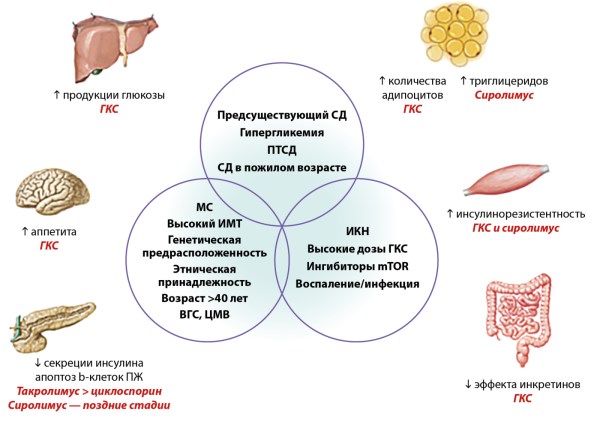
The progressive increase in transplant activity is expected to increase the incidence of post-transplant complications, particularly post-transplant diabetes mellitus (PTDM). This review analyzes the epidemiology, risk factors, and key mechanisms for the development of this complication, such as immunosuppressive therapy-induced insulin resistance and impaired insulin secretion due to calcineurin inhibitor toxicity. Non-modifiable and modifiable risk factors are considered. Particular attention is paid to the evolution of terminology and diagnostic criteria PTDM, their specificity in the post-transplant period, and the role of continuous glycemic monitoring for active screening of recipients. A comparative analysis of current therapeutic approaches is presented, covering modifications of immunosuppressive regimens, non-pharmacological interventions, and the use of incretin mimetics, sodium-glucose cotransporter-2 inhibitors, and other hypoglycemic agents in this population. Further prospects in post-transplant patient management tactics are discussed — replacing drugs with less diabetogenic ones, improving immunosuppression protocols, a personalized approach, and early stratification of the risk of developing PTDM. The clinical significance of PTDM as a factor associated with a worse cardiovascular prognosis and reduced graft and recipient survival is emphasized. The need for interdisciplinary collaboration between transplant surgeons, endocrinologists and internists at all stages of patient management is substantiated — from pre-transplant assessment of metabolic status to long-term postoperative follow-up.
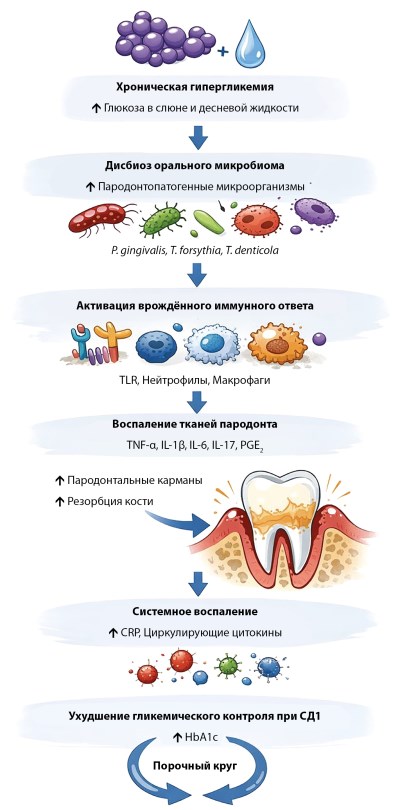
INTRODUCTION: Periodontal diseases in patients with type 1 diabetes mellitus (T1DM) represent a multifactorial clinicopathogenetic problem, driven by disturbances in carbohydrate metabolism, immune response, and microcirculation. Despite advances in modern medicine, timely diagnosis and optimization of therapy for periodontal diseases in T1DM remain of high clinical and scientific significance.
OBJECTIVE: To systematize current data on pathogenetic and clinical aspects underlying the bidirectional relationship between T1DM and periodontal diseases.
MATERIALS AND METHODS: We analyzed scientific publications from the past 20 years in PubMed, Scopus, and Google Scholar using key terms: “type 1 diabetes mellitus”, “periodontal diseases in type 1 diabetes”, “periodontitis”, and “bidirectional relationship”.
KEY FINDINGS: Current evidence confirms the presence of a bidirectional relationship between T1DM and periodontal diseases. Chronic hyperglycemia contributes to the development and progression of periodontitis through alterations in the oral microbiome, activation of the AGEs–RAGE signaling pathway, microvascular dysfunction, neutrophil impairment, and defective reparative processes. Conversely, chronic periodontal inflammation exacerbates systemic inflammation and is associated with worsened glycemic control. These findings highlight the multifactorial pathogenesis of periodontal diseases in T1DM and underscore the need for an interdisciplinary approach and early diagnosis.
CONCLUSION: Improvement of early diagnostic methods and implementation of interdisciplinary, personalized management strategies for patients with T1DM and periodontal diseases may enhance clinical outcomes. A promising direction is the development and validation of integrated clinical–laboratory algorithms for risk assessment and prognosis of dental complications in T1DM.
Objective: to provide an overview of the prevalence, clinical features, mechanisms and diagnosis of gastrointestinal motility disorders in diabetic gastroparesis (DGP), including a comparison with idiopathic gastroparesis (IGP), and current approaches to DGP treatment. The search was conducted in the RSCI, CyberLeninka, PubMed/MEDLINE, and Google Scholar databases for the period 1990–2026 using the keywords listed below. GP as a clinical syndrome is characterized by nausea, vomiting, postprandial fullness, pain, and bloating accompanied by delayed gastric emptying (GE) in the absence of mechanical obstruction. The prevalence of “definite” GP (delayed GE on scintigraphy + GP symptoms lasting >3 months) in the United States is 24.2 per 100,000 person-years, and the proportion of DGP among cases of GP of various etiologies reaches 29.0–57.4%. In DGP, nausea and vomiting are more pronounced on the PAGI-SYM scale, and SF-36 quality-of-life scores are worse than in IGP. In patients with GP and T1DM, compared with those with GP and T2DM, bloating was less frequent (p=0.04), the number of hospitalizations was higher (5.1±6.4 vs 2.7±5.7; p<0.001), severe delayed GE (>35% after 4 hours) was more frequent (53.9% vs 32.2%; p<0.001), and DGP symptoms appeared earlier (34±10 vs 49±11 years; p<0.001). Autonomic neuropathy with loss of enteric neurons is generally recognized as contributing to the multifactorial pathogenesis of DGP; other factors include loss of interstitial cells of Cajal, reduced vagal function and nNOS expression, hyperglycemia, oxidative stress, and others. Four-hour gastric-emptying scintigraphy or a 13C breath test is optimal for diagnosing delayed GE in DGP. International consensus recommendations for DGP treatment include nutritional support, glycemic control, rehydration, antiemetics, and prokinetics; in severe cases, enteral or parenteral nutrition and surgery may be required.
Conclusion: DGP requires a multidisciplinary approach, including earlier recognition of delayed GE and prompt comprehensive measures. This will enable more successful treatment and may help prevent the development of DGP.
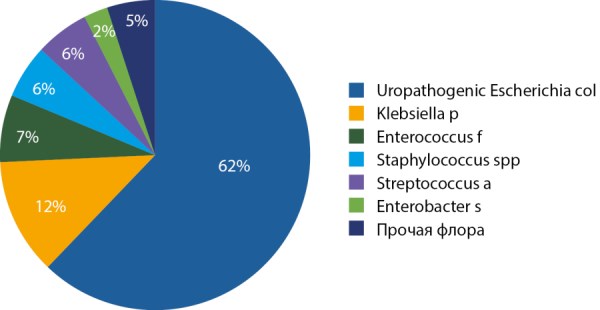
The introduction of sodium-glucose cotransporter 2 inhibitors (SGLT2i) into treatment algorithms for type 2 diabetes mellitus (T2DM) has initiated a shift from the traditional glucose-centric model to a strategy that considers multiple pathogenetic factors and clinical outcomes. Despite their proven efficacy in reducing cardiovascular mortality and chronic kidney disease progression, the actual clinical use of SGLT2i is often accompanied by patient complaints of dysuria, raising additional questions for clinicians regarding the urogenital safety of SGLT2i. This review summarizes current pathophysiological data, clinical trial results, and meta-analyses regarding the risk of urinary tract infections (UTIs) and genital mycotic infections (GMIs) associated with the use of various SGLT2i. The pathogenesis of these complications is diverse, with the primary component being pharmacological glucosuria, which transforms the urinary tract microenvironment into a breeding ground for pathogens, enhancing the expression of Escherichia coli virulence factors and stimulating the growth of Candida. The risk of infection is further exacerbated by the fact that patients with T2DM often exhibit signs of secondary immunodeficiency and neurogenic bladder dysfunction.
Currently, it is clear that the development of GMIs is a consistent adverse event associated with the use of SGLT2i, with a frequency more than three times higher than with placebo. However, significant heterogeneity is observed with respect to UTIs: a statistically significant risk has been confirmed primarily for dapagliflozin at a dose of 10 mg, while data for other members of the class are less clear. However, luseogliflozin and ipragliflozin demonstrate the most favorable safety profiles for urogenital infections. In 2015, the FDA expressed significant concern about the development of severe infections such as urosepsis and pyelonephritis. However, subsequent studies showed no association between SGLT2i use and the risk of these conditions. Furthermore, some studies found that inappropriate drug discontinuation after a UTI episode could lead to increased mortality and worse renal outcomes.
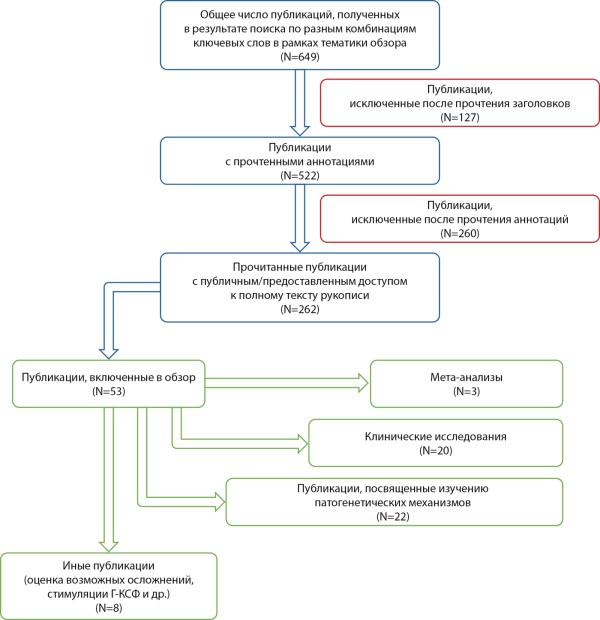
Diabetes mellitus (DM) is one of the main risk factors for the development of peripheral arterial disease (PAD) with subsequent progression to critical limb ischemia. Despite advances in endovascular technologies in recent years, the risk of technical failure and complications of surgical interventions in patients with DM and critical limb ischemia (CLI) is increased due to the presence of disease complications, and long-term outcomes of arterial patency restoration are significantly worse than those in the healthy population. In the search for therapeutic alternatives in these patients, the role of immune and endothelial cells, keratinocytes, and fibroblasts is increasingly being studied. This review analyzes existing studies on the use of autologous peripheral blood mononuclear cells (PBMNCs) in the treatment of patients with DM and CLI. The positive role of PBMNCs in stimulating angiogenesis and polarizing macrophages from the M1 to M2 phenotype, as well as the relative ease of their use compared to alternative cell therapies, has been convincingly demonstrated. According to the presented data, therapy using autologous PBMNCs is justified and may be effective in real-world clinical practice. However, further research is needed to clarify the production method, frequency of administration, composition of PBMNC-based cell products, and the timing of their use.
CASE REPORT
Neonatal diabetes mellitus (NDM), or diabetes of the newborn, belongs to the group of monogenic forms of the disease and is characterized by marked genetic polymorphism. It is a rare genetically determined disorder with early onset (typically within the first 6 months of life), manifesting as persistent hyperglycemia associated with impaired insulin secretion. To date, more than 30 genes have been identified as being involved in the development of NDM. Among these, mutations in the KCNJ11, ABCC8, and INS genes account for nearly 70% of cases of the permanent form of the disease. Of particular clinical importance are mutations in genes encoding potassium channel function (KCNJ11, ABCC8), as treatment with sulfonylureas, which help normalize channel activity, can restore insulin secretion and enable patients to transition from insulin therapy to oral glucose-lowering agents.
In most patients, such a transition is possible at any age; however, early initiation of sulfonylurea therapy (during the first months of life) is of critical importance, as it may prevent central nervous system damage, which is frequently observed in patients with these mutations.
The identification of genetic mutations has become a key tool for clinicians, enabling precise diagnosis and the selection of the most effective treatment strategies. Timely diagnosis facilitates the initiation of optimal glucose-lowering therapy aimed at achieving target glycemic levels and reducing the risk of complications, particularly those affecting the central nervous system, as well as specific complications of diabetes mellitus.
This article presents two clinical cases of female patients aged 30 and 33 years with NDM, in whom the KCNJ11 p.R201C mutation was identified in adulthood, followed by successful transition from insulin therapy to pathogenetically targeted glucose-lowering treatment.

This work is licensed under a Creative Commons Attribution-NonCommercial-NoDerivatives 4.0 International License (CC BY-NC-ND 4.0).
ISSN 2072-0378 (Online)